

Biochemistry
ICH
Biochemistry Services
The Biochemistry Services department at the Institute of Child Health (ICH) provides essential laboratory support for the diagnosis, monitoring, and management of pediatric diseases. With advanced analytical systems and a strong focus on quality, the department plays a crucial role in evaluating metabolic, endocrine, nutritional, renal, hepatic, and critical care-related biochemical parameters in children.
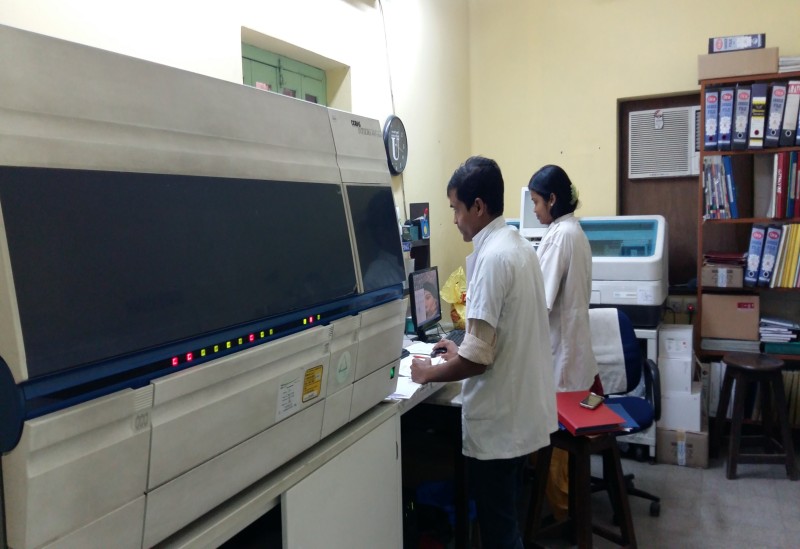
Advanced Biochemical Diagnostics for Pediatric Care
The Biochemistry Services unit supports clinicians with accurate and timely laboratory investigations required for the diagnosis and follow-up of a wide spectrum of childhood illnesses. The department performs routine and specialized biochemical analyses that help assess organ function, electrolyte balance, nutritional deficiencies, metabolic disorders, endocrine disturbances, and critical care biomarkers.
By combining modern automated analyzers, standardized laboratory protocols, and professional expertise, the unit ensures dependable results that directly contribute to evidence-based pediatric treatment. It serves both outpatient and inpatient services and remains an integral part of multidisciplinary patient care across all major clinical departments of the institute.
Services Offered
- Liver function tests and renal function tests
- Electrolyte, calcium, phosphate, and metabolic profile analysis
- Blood glucose and diabetic monitoring investigations
- Lipid profile and nutritional biochemistry support
- Serum protein, bilirubin, and enzyme studies
- Biochemical evaluation in critical care and emergency cases
- Supportive testing for pediatric endocrine and metabolic disorders
Diagnostic Strength
- Automated analyzers for high-precision biochemical investigations
- Routine and emergency sample processing support
- Standardized internal quality control protocols
- Integrated laboratory support for OPD, wards, ICU, and NICU services
- Monitoring support for liver, kidney, endocrine, and metabolic conditions
- Reliable reporting to support timely clinical decisions
Clinical Role
Biochemistry Services form a critical diagnostic pillar in pediatric medicine by helping clinicians evaluate internal organ function, fluid and electrolyte balance, metabolic stability, and disease progression. The department supports both acute and long-term care by enabling timely diagnosis, monitoring treatment response, and guiding individualized therapeutic planning for children across multiple specialties.
Core Biochemistry Support Areas
Renal & Electrolyte Profile
Biochemical monitoring of kidney function, urea, creatinine, sodium, potassium, calcium, and acid-base related parameters.
Metabolic Monitoring
Evaluation of metabolic imbalance, nutritional status, glucose regulation, and biochemical markers relevant to pediatric systemic disorders.
Critical Care Support
Rapid biochemical investigations for emergency, ICU, PICU, and NICU settings to support urgent diagnosis and therapeutic decisions.
Endocrine & Organ Function Tests
Diagnostic assistance for endocrine disturbances and detailed biochemical assessment of liver, pancreas, and systemic organ function.
Biochemistry Service Highlights
24/7
Support for essential emergency and critical biochemical investigations
100%
Focus on quality-controlled testing and standardized reporting practices
Multi
Departmental support for pediatrics, ICU, nephrology, gastro, NICU, and more
Fast
Timely result delivery to assist clinicians in rapid decision-making
Reliable Laboratory Excellence in Pediatric Biochemistry
The Biochemistry Services department is committed to delivering dependable, clinically relevant, and high-quality laboratory diagnostics for children. Through modern testing systems, strict quality assurance, and close coordination with treating teams, the department helps ensure safe diagnosis, continuous disease monitoring, and improved patient outcomes across the institute.